
Pulse24 Original
The Last Movie Star: How Tom Cruise Redefined Four Decades of Hollywood
Four decades, five different registers, one constant: audience trust. From Jerry Maguire's vulnerability to Mission: Impossible's stunt-driven commitment, Tom Cruise built a career few others have matched, and Maverick proved he's not done yet.
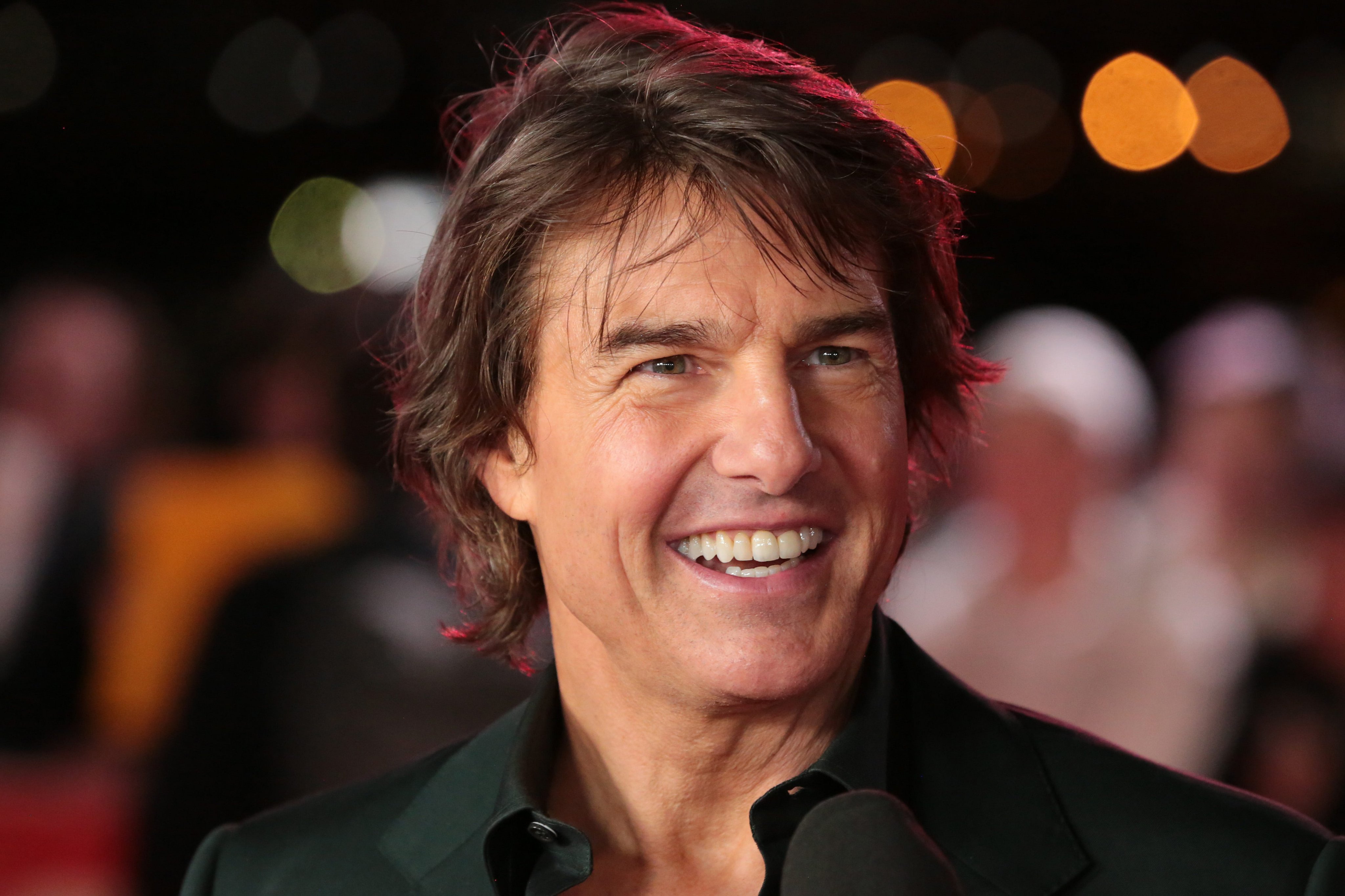
Hollywood has produced bigger opening weekends. It has rarely produced this kind of range.
For over 40 years, Tom Cruise hasn't just survived Hollywood. He's repeatedly redefined it.
Action hero. Drama lead. Villain. Comedy. Producer. Stunt performer. Most actors pick a lane and stay in it. Cruise has spent four decades refusing to.
The Performances That Built the Career
Start with Jerry Maguire (1996). "Show me the money" became the line everyone remembers, but the performance underneath it is what earned the Oscar nomination. Jerry isn't polished. He's ambitious, insecure, and desperate to become a better man, and Cruise plays all three at once. It was the film that reminded audiences he could carry emotion as effortlessly as spectacle.
Three years later came Magnolia (1999), the answer to anyone who thinks Cruise can only play heroes. Frank T.J. Mackey begins as pure confidence and ends completely broken. It's arguably the best acting performance of his career, and it proved there was far more beneath the movie-star image than the box office numbers suggested.
Then the other side of the coin: Collateral (2004). Vincent remains one of cinema's coolest villains, no shouting, no overacting, just calm, calculated menace in grey hair and a tailored suit. It's a reminder that Cruise is just as compelling working against the audience as he is working for them.
The Last Samurai (2003) is the underrated entry in the run. Nathan Algren begins haunted by war and alcoholism, and slowly finds purpose, discipline, and peace. It wasn't just an epic, it was one of Cruise's most emotionally layered performances, and it rarely gets mentioned in the same breath as his bigger films.
American Made (2017) shows the other gear entirely. Barry Seal is reckless, funny, charming, completely out of control, proof that Cruise doesn't need explosions to command a screen. Sometimes charisma is the whole engine.
An Entire Era, Not Just a Franchise

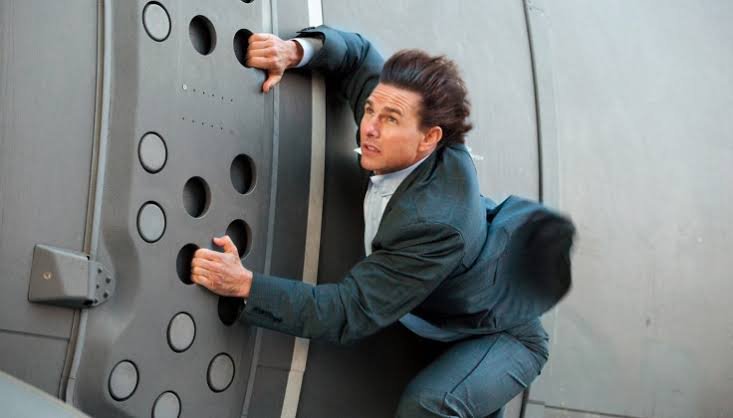
Mission: Impossible isn't one film. It's nearly three decades of raising the standard for practical action filmmaking. When CGI became the easier option industry-wide, Cruise climbed the Burj Khalifa, hung off airplanes, and jumped motorcycles off cliffs instead. He didn't just play Ethan Hunt, he became synonymous with a kind of blockbuster commitment almost nobody else in the industry is willing to match.
That commitment paid off in a different way with Top Gun: Maverick (2022). Hollywood was seriously questioning whether cinemas still mattered. Then Maverick arrived, crossed a billion dollars, and reminded audiences why some stories deserve the biggest screen possible. Few sequels have honored a legacy this precisely.
Go back further and Rain Man (1988) tells the same story in miniature. Dustin Hoffman deservedly won the Oscar, but Cruise was the emotional engine. Charlie Babbitt starts selfish and finishes transformed, and without that arc, Rain Man doesn't become one of the greatest dramas in American film.
Honorable Mentions
A Few Good Men. Edge of Tomorrow. Minority Report. Eyes Wide Shut. Born on the Fourth of July. Tropic Thunder. Any one of these would anchor another actor's career highlight reel. For Cruise, they're the films that don't even make the top tier.
The Reframe
There have been bigger stars. There have been technically better actors. But almost nobody has combined longevity, box office reliability, versatility, physical commitment, and audience trust the way Tom Cruise has, across five different decades, in five completely different registers.
That combination is rarer than any single performance on this list. It's the reason "the last movie star" isn't just a nice phrase for a birthday post. It's closer to a job description nobody else currently qualifies for.
How we read the data
Curious how we get from raw data to a take like this? Our Trader's Toolkit walks through the tools we lean on.
Explore the Toolkit