
Pulse24 Original
Obsession Didn't Just Become a Box Office Hit. It Exposed What Hollywood Has Been Forgetting.
A $750,000 horror film just crossed $400 million worldwide, and it's exposing exactly what Hollywood's IP-chasing decade has been getting wrong.
July 6, 2026
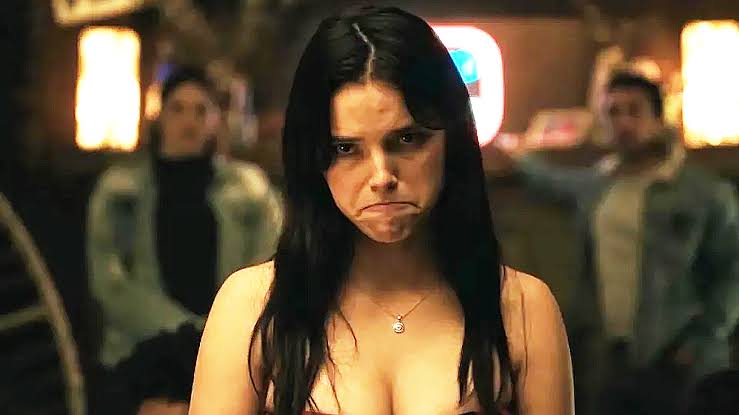
Hollywood spent the last decade chasing bigger budgets, bigger franchises, bigger IP.
Then a film shot for $750,000 crossed $400 million worldwide.
That's not a commercial success story. That's an indictment.
The Numbers Don't Make Sense, Until You See the Pattern
Curry Barker made Obsession in Los Angeles in October 2024, on a budget smaller than a single VFX shot in most studio tentpoles. Focus Features picked it up at TIFF for around $15 million, already a 20x markup before a single ticket sold.
Then the film opened. And kept opening. Eight weekends in, it was still pulling crowds over a holiday weekend. By July, worldwide gross passed $400 million, domestic and international both holding, not fading.
$750,000 → $15 million acquisition → $400 million box office. That's not a slow build. That's compounding belief.
Horror Runs on a Different Currency
No cinematic universe. No nostalgia campaign. No franchise scaffolding to lean on.
Instead, the same mechanism that built horror's biggest legends: - The Blair Witch Project didn't sell tickets. It sold curiosity people couldn't keep to themselves. - Paranormal Activity spread city to city because audiences convinced each other it had to be seen in a packed room. - Get Out became a cultural moment because the conversation outgrew the marketing campaign. - Terrifier 2 proved controversy and originality could out-earn a media plan.
Obsession joins that lineage. Not because it's the scariest film of the year, because it's the one people couldn't stop describing to someone else.
Why This One, Why Now
The premise pulls you in, a supernatural wish gone wrong. But premise alone doesn't hold 400 million dollars' worth of attention for two months.
What holds it: Inde Navarrette and Michael Johnston playing people worth caring about before the horror even starts. Horror only works when the fear has a face attached to it, and this cast gave it one.
Curiosity got people in the door. The performances are why word of mouth kept them talking after.
The Part Hollywood Keeps Missing
Bigger budgets get treated as a strategy. History keeps proving otherwise.
People don't recommend visual effects. They recommend stories.
Backrooms, another creator-turned-director horror breakout, is proving the same point in parallel this year. Two films, two YouTubers-turned-filmmakers, two budgets a fraction of a single franchise reshoot, both outperforming films with a hundred times the marketing spend behind them.
That's not a coincidence anymore. That's a signal.
What This Actually Means
Originality still has commercial value, real, measurable, $400-million value.
Audiences will still take a chance on something new, if it's executed with confidence instead of hedged with a familiar IP.
And the next blockbuster doesn't have to start with a billion-dollar franchise. Sometimes it starts with a filmmaker who has one story worth telling, and the nerve to tell it without a safety net.
How we read the data
Curious how we get from raw data to a take like this? Our Trader's Toolkit walks through the tools we lean on.
Explore the Toolkit